Relocating to the Kingdom of Saudi Arabia: The Complete 2026 Guide
Saudi Arabia has become one of the most attractive destinations for professionals, entrepreneurs, and families seeking new opportunities abroad. Driven by the ambitious Vision 2030 initiative, the Kingdom is investing heavily in tourism, technology, healthcare, education, entertainment, infrastructure, and finance. These developments are creating thousands of jobs and attracting talent from around the world.
Whether you are relocating for employment, business opportunities, family reasons, or long-term residency, understanding the relocation process is essential. From obtaining the correct visa and shipping household goods to finding housing and enrolling children in school, careful planning can make your move smooth and stress-free.
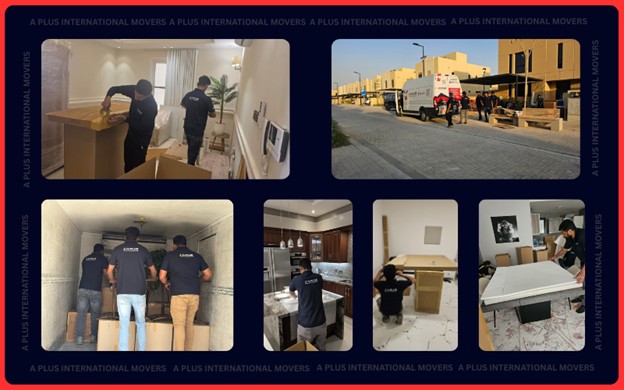
A professional relocation partner such as A Plus KSA can assist with every stage of the relocation process, including international shipping, customs clearance, unpacking, furniture assembly, vehicle transportation, and pet relocation.
Why People Are Relocating to Saudi Arabia in 2026
Saudi Arabia has transformed significantly over the past decade. Once known primarily for its oil industry, the Kingdom is now emerging as a global hub for innovation, tourism, investment, and international business.
Vision 2030 Opportunities
Vision 2030 aims to diversify the Saudi economy and reduce dependence on oil revenues. Major projects and investments are generating opportunities in:
- Tourism and hospitality
- Technology and artificial intelligence
- Entertainment and events
- Healthcare and medical services
- Education and research
- Infrastructure development
- Financial services and fintech
Large-scale projects such as NEOM, AlUla, and Diriyah are attracting international professionals from around the world.
Benefits for Expats
Many expatriates choose Saudi Arabia because of:
- Tax-free salaries
- Competitive employment packages
- Modern housing options
- Excellent infrastructure
- High safety standards
- Growing entertainment sector
- International schools
- Affordable fuel and utilities
Visas and Legal Requirements
Obtaining the correct visa is the first and most important step when relocating to Saudi Arabia.
Work Visa and Iqama
Most expatriates enter Saudi Arabia on a work visa sponsored by their employer. After arrival, the work visa is converted into an Iqama, which serves as the official residency permit.
Typical Process
- Employer obtains work authorization.
- Visa application is submitted through Saudi authorities.
- Employee enters Saudi Arabia.
- Medical examinations and registration are completed.
- Iqama is issued.
- Residency is renewed annually.
The Iqama is required for:
- Opening bank accounts
- Renting property
- Registering vehicles
- Obtaining a driving license
- Accessing government services
Premium Residency
Saudi Arabia also offers Premium Residency for investors and high-net-worth individuals who wish to live in the Kingdom without employer sponsorship.
Benefits include:
- Property ownership rights
- Business ownership opportunities
- Freedom to change employment
- Long-term residency options
Required Documents for Relocation
Before relocating, prepare the following documents:
- Passport with sufficient validity
- Employment contract
- Educational certificates
- Marriage certificate (if applicable)
- Children’s birth certificates
- Medical fitness certificate
- Police clearance certificate
- Passport photographs
Document Attestation
Foreign documents must generally undergo:
- Notarization
- Authentication by the Ministry of Foreign Affairs in the home country
- Legalization through the Saudi Embassy
Starting this process early is highly recommended.
Shipping Household Goods to Saudi Arabia
Moving personal belongings internationally can seem complicated, but proper planning simplifies the process.
Shipping Options
Air Freight
Best for:
- Urgent shipments
- Documents
- Valuable items
- Small quantities
Transit time typically ranges from 3 to 7 days.
Sea Freight
Best for:
- Full household moves
- Furniture
- Large shipments
Transit time usually ranges from 20 to 45 days depending on origin.
Road Freight
Suitable for moves from GCC countries such as:
- UAE
- Bahrain
- Kuwait
- Qatar
- Oman
Saudi Customs Regulations
All imported goods pass through Saudi customs authorities.
Personal Effects
Used household goods are generally exempt from import duties when:
- They belong to a relocating resident
- They have been owned and used for several months
Restricted and Prohibited Items
Saudi Arabia strictly prohibits:
- Alcohol
- Pork products
- Pornographic materials
- Illegal drugs
- Certain medications without approval
- Weapons and ammunition
Always verify customs regulations before shipping.
How A Plus KSA Helps With International Relocation
Relocating internationally involves numerous logistical challenges. A professional moving company can simplify every stage of the process.
Services Offered
A Plus KSA provides:
- International air freight
- International sea freight
- Professional packing services
- Customs clearance
- Door-to-door delivery
- Furniture disassembly and assembly
- Vehicle transportation
- Pet relocation
- Warehousing and storage
- Unpacking services
Relocation Process
- Initial consultation
- Home survey
- Quotation and planning
- Packing and collection
- International transport
- Customs clearance
- Final delivery
- Unpacking and setup
Finding Housing in Saudi Arabia
Saudi Arabia offers housing options suitable for all budgets and lifestyles.
Expat Compounds
Expat compounds are popular among foreign families because they offer:
- Swimming pools
- Gyms
- Community facilities
- Enhanced security
- Family-friendly environments
Apartments
Modern apartments are available throughout:
- Riyadh
- Jeddah
- Dammam
- Al Khobar
They are ideal for singles, couples, and small families.
Villas
Many expatriate families prefer villas because they provide:
- Larger living spaces
- Private gardens
- Additional rooms
- Greater privacy
Cost of Living in Saudi Arabia
One of the major advantages of living in Saudi Arabia is the absence of personal income tax.
Common Monthly Expenses
Typical costs include:
- Housing
- Utilities
- Internet and mobile services
- Groceries
- School fees
- Healthcare
- Transportation
- Entertainment
Although housing costs have risen in major cities, the tax-free salary structure often offsets these expenses.
Education for Expat Families
Saudi Arabia has a strong international education sector.
Available Curricula
Families can choose from:
- British Curriculum
- American Curriculum
- International Baccalaureate (IB)
- Indian CBSE Curriculum
- French Curriculum
Admission Advice
Apply early because popular schools often have waiting lists.
Required documents usually include:
- Birth certificate
- School reports
- Vaccination records
- Passport copies
Healthcare in Saudi Arabia
Healthcare standards are generally high throughout the Kingdom.
Health Insurance
Employers are required to provide health insurance for expatriate employees and their dependents.
Coverage typically includes:
- General practitioner visits
- Specialist consultations
- Hospital treatment
- Emergency care
- Maternity services
Major Healthcare Providers
Well-known private hospitals include:
- Saudi German Hospital
- Mouwasat Hospital
- Dr. Soliman Fakeeh Hospital
Best Cities for Expats
Riyadh
As the capital city, Riyadh offers:
- Strong employment opportunities
- Government and corporate headquarters
- Modern infrastructure
- Expanding entertainment options
Jeddah
Jeddah is known for:
- Red Sea coastline
- International atmosphere
- Commercial opportunities
- Vibrant lifestyle
Dammam and Al Khobar
These cities are particularly attractive to professionals working in:
- Oil and gas
- Engineering
- Petrochemicals
NEOM
NEOM represents one of the world’s most ambitious development projects and offers unique opportunities for international professionals.
Cultural Considerations
Understanding local culture helps expatriates adapt more successfully.
Dress Code
Modest clothing is generally expected in public spaces.
Ramadan
During Ramadan:
- Public eating and drinking during daylight hours is restricted.
- Business hours often change.
- Social activities become more active after sunset.
Working Week
The Saudi working week runs:
Sunday through Thursday
Weekend:
Friday and Saturday
Banking and Finance
Opening a Bank Account
After obtaining an Iqama, expatriates can open accounts with major banks such as:
- Al Rajhi Bank
- Saudi National Bank
- Riyad Bank
Currency
Saudi Arabia uses the Saudi Riyal (SAR), which is pegged to the US Dollar.
Driving in Saudi Arabia
Driving License Conversion
Many expatriates can convert their existing driving license without taking a driving test.
Required documents usually include:
- Iqama
- Passport
- Existing driving license
- Eye test certificate
Transportation
Common transportation options include:
- Personal vehicles
- Uber
- Careem
- Riyadh Metro
Conclusion
Relocating to Saudi Arabia offers tremendous opportunities for career growth, financial benefits, and a high standard of living. With proper preparation and expert assistance, the transition can be smooth and rewarding.
Whether you are moving alone, with your family, or relocating an entire household, working with an experienced international moving company such as A Plus KSA can significantly simplify the process by managing packing, shipping, customs clearance, delivery, and settling-in services from start to finish.
Operations Manager, A Plus International Movers
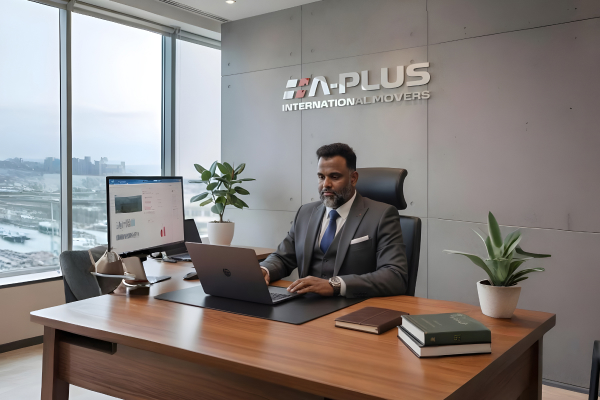
Mr. Riyas is a leading expert with more than 15 years of hands-on experience in the global packing, moving, and logistics industry. He currently heads operations at A Plus International Movers in Riyadh, Saudi Arabia.
Mr.Riyas began his career with a multinational moving company in 2011 as a packing crew member and he literally learned the business from the ground up. After that he has been through lot changes as a working professional as he gained boldness through hard work, flexibility and thorough knowledge of the industry and he worked with four major relocation companies in Riyadh and Jeddah, and finally became a Branch Manager.
Riyas’s career of about 15 years has been marked by significant achievements. He has a very detailed understanding and hands-on experience of the domestic and international relocation process. He is able to handle physical surveys, daily operations, strategic sales, and even difficult customs clearance procedures without any help.
Currently, as A Plus International Movers’ Operations Manager, Mr.Riyas is using his broad knowledge and well-established global network of destination agents to offer globally relocations. He has connections of his own with international partners which make the company capable to present their clients world-class, hassle-free moving experiences, no matter if it is a local or a cross-border relocation.

Riyas Palakkal
Operations Manager, A Plus International Movers Mr. Riyas is a leading expert with more than 15 years of hands-on experience in the global packing, moving, and logistics industry. He currently heads operations at A Plus International Movers in Riyadh, Saudi Arabia. Mr.Riyas began his career with a multinational moving company in 2011 as a packing crew member and he literally learned the business from the ground up. After that he has been through lot changes as a working professional as he gained boldness through hard work, flexibility and thorough knowledge of the industry and he worked with four major relocation companies in Riyadh and Jeddah, and finally became a Branch Manager. Riyas's career of about 15 years has been marked by significant achievements. He has a very detailed understanding and hands-on experience of the domestic and international relocation process. He is able to handle physical surveys, daily operations, strategic sales, and even difficult customs clearance procedures without any help. Currently, as A Plus International Movers' Operations Manager, Mr.Riyas is using his broad knowledge and well-established global network of destination agents to offer globally relocations. He has connections of his own with international partners which make the company capable to present their clients world-class, hassle-free moving experiences, no matter if it is a local or a cross-border relocation.